
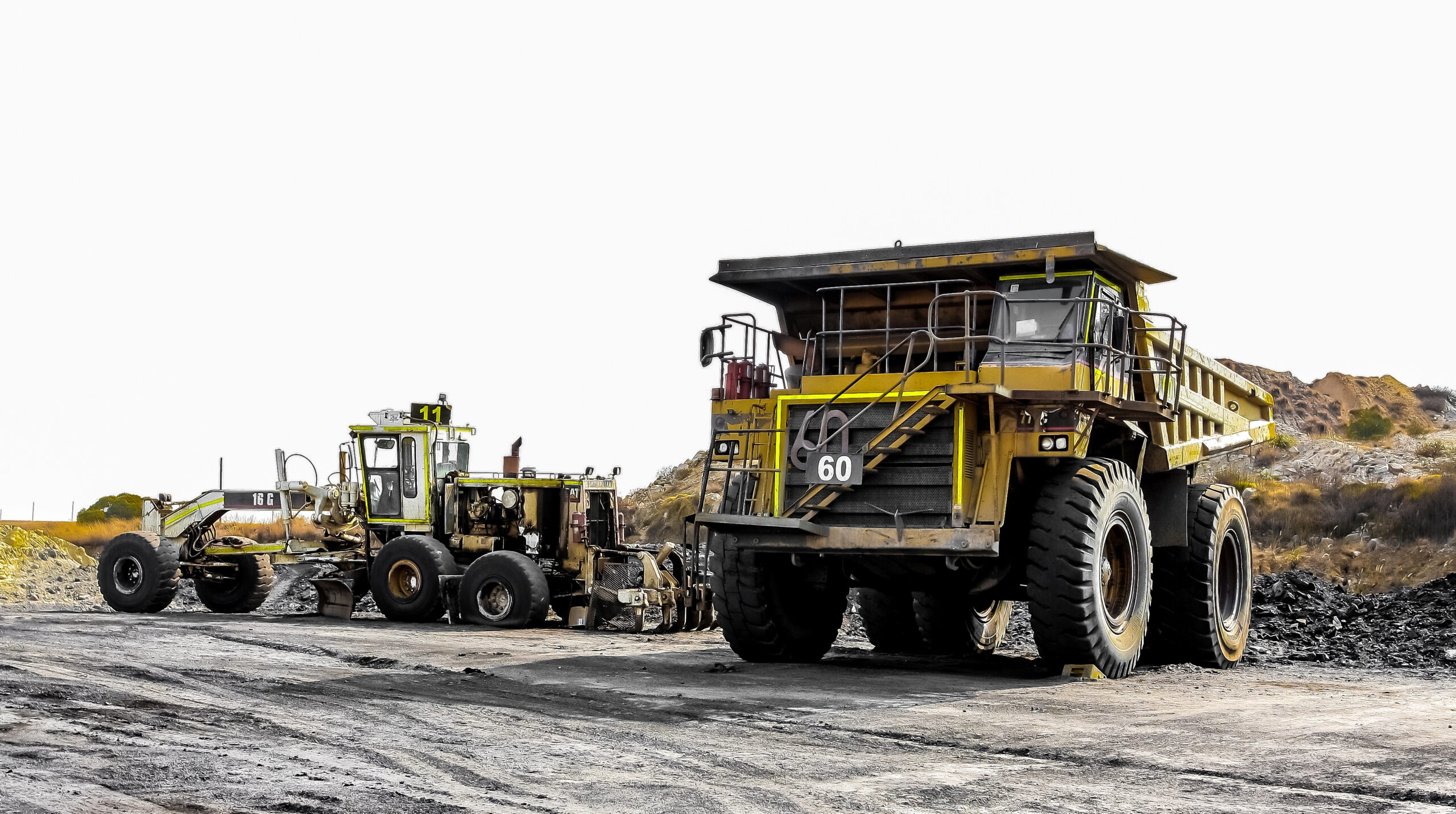
Mining projects rely on a range of agreements that govern access to land, funding, ownership, construction, and mineral sales. Licata Law helps mining companies draft and implement mining project agreements with both state and non-state actors. In this article, we explore several types of mining project agreements and key provisions in those agreements; we also provide answers to several frequently asked questions on the topic.
What Are Mining Project Agreements?
Types Of Mining Project Agreements
Exploration Agreements
Obtaining mineral rights in an area is not typically sufficient to begin exploration. Mining companies may need to reach agreements with several levels of government, local landowners, and Indigenous communities in order to begin exploration.
These agreements are complex and may govern where exploration activities can occur and how exploration must be conducted. Community members, landowners, governments, and other stakeholders may have competing interests that must be negotiated; almost invariably, each of these parties will want to see some benefit from exploration activities and subsequent mining operations.
Option Agreements
Exploration is a high-risk, resource-intensive activity – and one that is a crucial part of the lifecycle of a mine. Junior mining companies use option agreements to procure the resources they need to conduct exploration from mining majors.
In an option agreement, the major will agree to fund the exploration work – in many cases, the major will conduct the exploration themselves. This funding usually includes an upfront payment at the time of the option agreement, and continued payment for exploration work. As the major reaches funding thresholds, they earn an interest in the project.
Options agreements are beneficial to both parties; the junior receives much-needed funding for the exploration, while the major earns interest in a potentially lucrative venture. The major is mitigating risk because they can choose to opt out of the agreement should the findings from the exploration not meet their needs. The junior typically retains its interest in the project, retaining full mineral rights if the major opts out before funding thresholds are met. The junior also benefits from any data gathered during exploration.
Joint Venture Agreements
Joint venture (JV) agreements are common in the industry; they exist when two or more joint venture partners pool capital, expertise, and operational resources to explore, develop, and operate a mine.
Joint ventures can exist between a junior mining company that handles exploration and majors that agree to finance exploration and development in exchange for earning an ownership interest in the project. They can also exist between majors who agree to work together to finance a project.
JVs typically feature a management committee made up of representatives from the partners of the JV; each company typically sends representatives to the committee in proportion to its ownership stake in the JV. One party in the JV is typically designated as the manager or operator; this party is responsible for the day-to-day management of the mining project.
Offtake & Supply Agreements
Offtake agreements are purchase contracts between a mining company and a purchaser. In an offtake agreement, a purchaser agrees to acquire a set amount of minerals produced by the mine at an agreed-upon rate.
Lenders appreciate offtake agreements, as they act as proof of potential cash flow; this can make it easier for the lenders to structure other agreements (such as royalty agreements) with the mining company.
Supply agreements are a broad category of agreements between mining companies and purchasers; typically, they refer to the agreements to purchase minerals that are accessible once the mine is operational.
Construction & Development Contracts
For both small and large-scale mining projects, construction and development contracts are common. Larger-scale contracts may rely on engineering, procurement, and construction management (EPCM) contracts. Other times, fixed-scope contracts may be used for the construction of a single element of the mining project or for repairs and renovations.
Construction and development contracts should often include penalty clauses for failure to meet deadlines or for going over budget. They must also include clauses ensuring that community agreements and environmental and safety regulations are respected.
Notably, governments may pay close attention to construction and development contracts, especially when infrastructure like roads or airports is being built to serve the mining project.
Royalty & Stream Agreements
Royalty agreements and stream agreements are two distinct but similar methods of obtaining project financing:
In a royalty agreement, financing is offered in exchange for the right to receive payments based on production, sales, profits, or revenue.
In a stream agreement, financing is offered in exchange for the right to purchase a share of the minerals produced at a discounted rate.
Both of these arrangements are attractive to mining companies: They do not dilute equity, payment may not be required until production commences, and payments scale with production or revenue. This gives mining companies much-needed flexibility in obtaining other financing.
Looking for a mining finance lawyer? Contact Licata Law today.
Key Provisions In Mining Project Agreements
Risk Allocation & Liability
At the exploration stage, mining projects carry significant financial risk; if no viable sites are found, millions of dollars may be spent without a significant return. Majors are invaluable in the exploration stage, as they have the capacity to take on these risks; in this sense, risk allocation is often built into option agreements.
Other mining agreements also serve to mitigate risk: Royalty agreements and stream agreements may tie payment to production, reducing financial pressure and risk until the mine is up and running, while offtake agreements serve to protect lenders by providing proof of a potential stream of revenue.
In joint ventures, liability may be taken on by all parties in proportion to their share of the venture.
Environmental & Regulatory Obligations
Any party directly involved in exploration, construction, operation, and closure of the mine must meet certain environmental standards; this also holds true for parties involved in engineering and construction.
Most stakeholders will also need to meet regulatory obligations; these obligations may include consulting with Indigenous communities and upholding agreements with those communities. Regulators may also require:
- Detailed reporting on the mine’s production limit
- That a portion of the project be owned by domestic companies
- Limits on foreign ownership and control
- Employment and procurement practices that favour local communities
It is crucial to establish how environmental and othe
Termination & Dispute Resolution Clauses
Disputes can occur with lenders, purchasers, partners, and states; they can occur whether you have a royalty agreement or a stream agreement. These disputes are often complex, and resolution clauses may involve arbitration through international bodies like the International Centre for Settlement of Investment Disputes (ICSID).
Mining project agreements should clearly lay out how disputes will be resolved and what occurs as a result of the early termination of contracts.
Why You Need A Mining Lawyer For Project Agreements
Mining project agreements are inherently complex; the parties involved in the agreements may include:
The agreements between these parties may intersect; obligations put forth by regulatory bodies may, for example, influence the nature of the contracts between a mining company and its EPC.
Mining lawyers serve not only to review single agreements, but to help mining companies navigate the legal frameworks in which those agreements are being written, and to understand how each of those agreements intersects.
How Licata Law Supports Your Mining Project
Licata Law supports companies of all sizes in the mining and natural resources sector, with a focus on mining in South America. Our proficiency extends not only to M&A and corporate financing agreements, but to guidance in all aspects of mine development and operations. We provide free initial consultations; no matter what point you are at in a mine’s lifecycle, if you are looking for a mining lawyer in Ontario to advise you on mining project agreements, contact us today. We also offer corporate commercial law support for mining companies.