
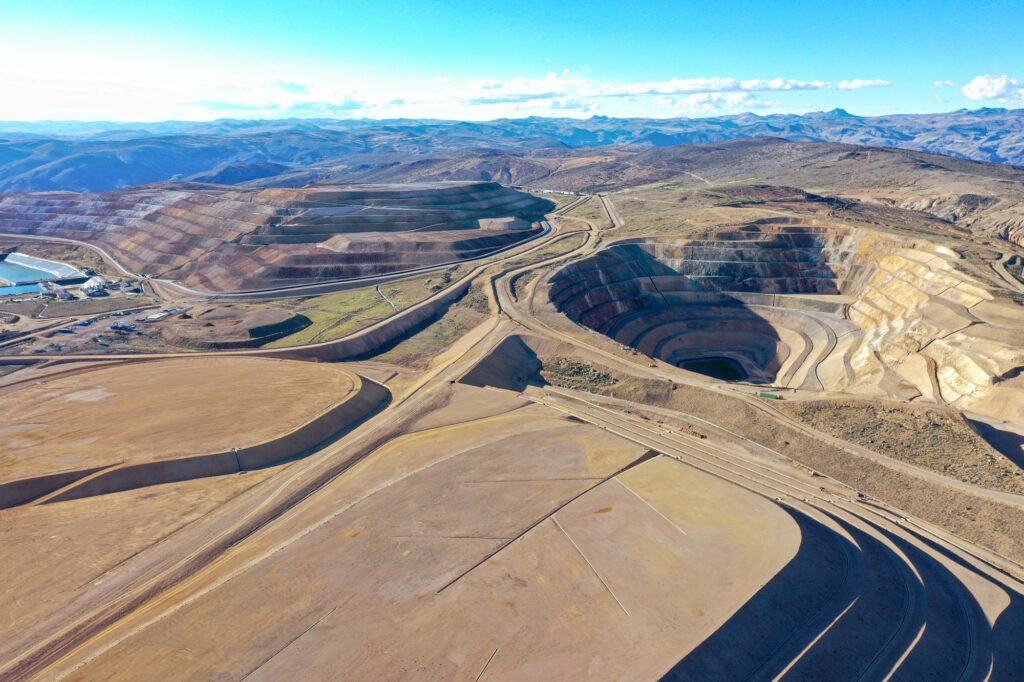
Mine rehabilitation is the process of treating land affected by mining so that hazards are addressed, and the site is returned to its former condition or made suitable for another approved use. This article explores the Mine Rehabilitation Code of Ontario and how its provisions can affect mining projects.
What Is The Mine Rehabilitation Code?
The Mine Rehabilitation Code of Ontario establishes technical standards for rehabilitating mine sites and mine hazards. Ontario Regulation 35/24 under the Mining Act incorporates the Code into the province’s current rehabilitation and closure-planning framework.
Rehabilitation may involve long-term engineering, environmental monitoring, water treatment, and physical-stability measures.
Closure Plans: The Essential Requirement
A closure plan explains how a mining project will be rehabilitated during temporary suspension, inactivity, and final closure. Under Ontario’s framework, proponents generally cannot begin or materially expand prescribed advanced exploration or mine-production activities until the applicable closure-plan requirements have been satisfied.
The plan must include the information required by the regulation and describe how the project will comply with the Mining Act, its regulations, and the Code. It may also require technical certifications from qualified professionals.
The proponent remains responsible for ensuring that the rehabilitation measures in the closure plan – and any amendments – are carried out.
Key Standards Of The Code
Tailings Management & Water Quality
Tailings and other mine wastes can create environmental risks long after production ends. Closure planning must address the stability of tailings facilities, erosion, drainage, seepage, and water quality.
Where sulphide-bearing material is present, the plan may need to assess the potential for acidic drainage and metal leaching. Depending on the site, controls may include:
- Water diversion
- Covers
- Containment systems
- Treatment
- Monitoring
- Other measures supported by qualified technical analysis
Site Restoration & Vegetation
Rehabilitation may include removing unnecessary structures, treating disturbed ground, replacing soil or other growth media, controlling erosion, and establishing vegetation.
The objective is not necessarily to make every site look exactly as it did before. Restoring the land to its former use or condition, or making it suitable for another use accepted under the applicable process, may be sufficient. A different post-closure use may be possible, but it must be addressed through the applicable approval process.
Physical Stability Of Structures
Open pits, shafts, portals, raises, dams, waste-rock areas, and underground workings can create serious physical hazards. Rehabilitation measures may include securing openings, installing barriers, stabilizing slopes, evaluating crown pillars, removing structures, and maintaining long-term controls.
Engineering assessments are particularly important where a failure could affect workers, the public, property, or the surrounding environment.
Financial Assurance: Securing The Future
A closure plan must set out the required form and amount of financial assurance for rehabilitation work. This helps ensure that sufficient funds remain available to rehabilitate the site even if the proponent later becomes unable or unwilling to complete the work.
Permitted forms may include cash, qualifying letters of credit, surety bonds, mining reclamation trusts, prescribed corporate financial tests, phased financial assurance, and other forms accepted under the legislation.
The amount must be sufficient to cover the rehabilitation obligations identified in the closure plan. Ontario can also require changes where the financial assurance no longer satisfies the applicable requirements.
Amending A Closure Plan
Closure plans should reflect the actual project. An amendment may be required when mine design, activities, hazards, rehabilitation measures, costs, ownership arrangements, or the proposed post-closure condition materially change.
Updating the plan can also affect financial assurance. Proponents should evaluate amendments before implementing operational changes rather than treating the closure plan as a document that remains fixed for the life of the mine.
The Role Of Legal Counsel In Environmental Compliance
Mine rehabilitation involves overlapping legal, engineering, environmental, financial, and operational issues. Legal counsel can help a proponent identify the applicable Ontario requirements, organize the closure-plan process, review contracts and financial-assurance arrangements, and coordinate legal work with qualified engineers, geoscientists, and environmental professionals.
Early legal review can also help connect closure obligations with financing, acquisitions, joint ventures, permitting, and changes to the project.
How Licata Law Office Can Help
Licata Law Professional Corporation provides legal support concerning mining projects and related commercial matters in Ontario. A mining finance lawyer at our firm can help assess how closure obligations and financial-assurance requirements may affect a proposed transaction or project structure.
Contact Licata Law to learn how we can help answer your mine rehabilitation questions.
Frequently Asked Questions
-
Who is responsible for rehabilitating a mine site?
The proponent is generally responsible for rehabilitating the mine site in accordance with its closure plan and Ontario’s regulatory requirements. Financial assurance may also be required to ensure funds are available to complete the work.
-
What happens if mine rehabilitation is not completed?
Failure to meet rehabilitation requirements can result in enforcement action and financial consequences. Depending on the circumstances, Ontario may also use financial assurance to fund necessary rehabilitation work.
This article provides general information about Ontario law and is not legal advice. Mining and rehabilitation requirements may change, and their application depends on the project and its circumstances.