
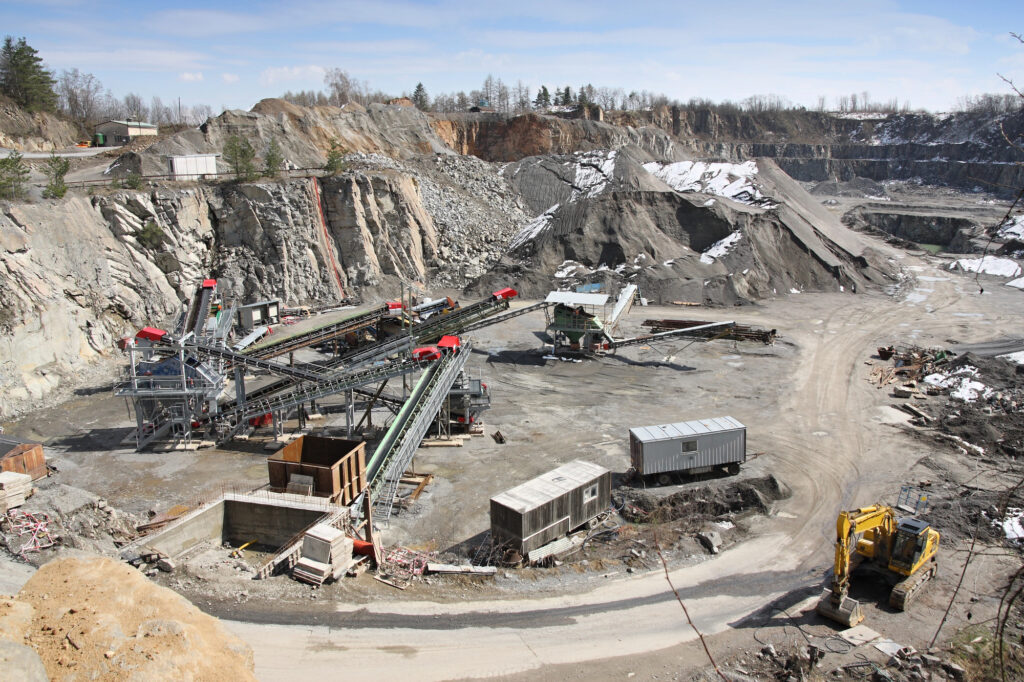
Ontario’s critical minerals sector presents significant opportunities, but a promising deposit or supply agreement is only part of the investment decision. Investors and developers must also consider regulatory requirements, Indigenous consultation, transaction structure, foreign investment rules, and the broader supply chain.
This article provides a high-level overview of the legal landscape that governs critical mineral mining in Ontario.
Why Critical Minerals Matter In Ontario’s Investment Climate
Critical minerals are used in batteries, semiconductors, defence systems, renewable energy infrastructure, and other technologies. Ontario’s list includes lithium, nickel, cobalt, copper, graphite, rare earth elements, uranium, and other minerals important to the province’s economic and supply-chain objectives. The province updated its critical minerals direction in 2026, emphasizing domestic supply chains, investment, and Indigenous participation.
For investors, the “critical” designation can affect government policy, financing opportunities, foreign investment scrutiny, and expectations for responsible development. Legal review is essential before investing in critical mineral projects.
Canada’s Critical Minerals Strategy And Ontario Projects
Canada’s Critical Minerals Strategy connects mineral development with manufacturing, economic security, and global supply chains. Federal initiatives may support infrastructure, processing, environmental review, or Indigenous engagement, but each program has its own eligibility and due diligence requirements.
Policy is also evolving. Canada was consulting on an updated Critical Minerals Strategy in summer 2026 in response to geopolitical, market, and supply-chain developments. Investors should confirm current policies, programs, and mineral lists when assessing a transaction.
Core Regulatory Approvals For Critical Minerals Projects In Ontario
There is no single “critical minerals approval” pipeline. Requirements depend on the project’s location, scale, activities, and potential effects.
Under Ontario’s Mining Act, advanced exploration or mine development may require a closure plan addressing rehabilitation and financial assurance.
Projects may also require environmental permissions for air, land or water discharges, water-taking, infrastructure, and other activities.
Environmental assessment requirements are separate. Some projects may be subject to Ontario’s environmental assessment process. Major mines may also fall within the federal designated-project framework or be designated under the Impact Assessment Act.
Investors should consider how these approvals interact, which studies are required, and whether the proposed development schedule accounts for regulatory dependencies.
Foreign Investment & National Security Scrutiny
Foreign participation may be reviewed under the federal Investment Canada Act. National security review can apply regardless of investment value and may extend to minority and greenfield investments. Federal guidelines specifically identify critical minerals and their supply chains as national security considerations.
Greater scrutiny may arise where a foreign state-owned or foreign-influenced investor participates in a Canadian critical-minerals business. Federal policy identifies potential concerns across the value chain, including exploration, development, processing, and refining.
Parties should consider these requirements when structuring the transaction rather than waiting until closing.
Indigenous Consultation, Engagement, And Project Risk
The Crown’s duty to consult arises where contemplated Crown conduct may adversely affect potential or established Aboriginal or treaty rights. The duty remains with the Crown, although proponents may carry out procedural aspects of consultation.
Engagement should begin well before technical design is complete. Project design, access, environmental studies, and mitigation measures can all affect consultation.
Investors should review the project’s engagement history, outstanding concerns, and existing commitments. Completed regulatory filings do not necessarily mean that issues affecting approvals, financing, or development have been resolved.
Structuring Investments, Joint Ventures, And Offtake Deals
Critical minerals transactions often aim to secure capital, share development risk, or obtain reliable future supply. The legal structure should reflect that objective.
Joint ventures need clear rules for funding, project control, and situations where a participant does not contribute. Offtake agreements must balance supply certainty with development, production, and market risks. A longer agreement is not necessarily a safer one.
Due diligence should focus on issues that could change the investment decision, including mineral rights, regulatory assumptions, Indigenous engagement, project obligations, and whether key contracts will remain effective after the transaction.
An Ontario mining lawyer at Licata Law can help assess how these issues interact rather than considering each agreement or regulatory requirement in isolation.
Cross-Border Supply Chains, ESG, And Export Considerations
Legal exposure can extend beyond the mine site. Offtake destinations, processing arrangements, sanctions, export controls, product specifications, and financing conditions can determine whether the proposed supply chain is commercially workable.
ESG requirements should also be reviewed as specific contractual obligations. Lenders, purchasers, and investors may require reporting, audit rights, environmental commitments, or supply-chain assurances. Projects should ensure they can collect the required information and meet those commitments.
Get Legal Guidance For An Ontario Critical Minerals Project
Licata Law Professional Corporation provides mining law services in Ontario. The firm can help investors and developers assess the legal structure, regulatory requirements and commercial agreements associated with critical-minerals projects.
If you are looking for a mining regulation lawyer in Ontario to review critical mineral mining projects through an experienced legal lens, contact our firm today.
Frequently Asked Questions
What qualifies as a critical mineral in Canada?
Canada considers factors including economic security, supply risk, the transition to a low-carbon economy, and strategic importance to Canada and its allies. Federal and Ontario lists differ, so investors should confirm which applies to a particular program or transaction.
Do foreign investors face extra scrutiny?
They may. Foreign investments can be reviewed for national security concerns, and critical-mineral assets and supply chains are specifically identified in federal guidance.
What approvals are usually required?
Requirements vary by project and may include Mining Act requirements, a closure plan, environmental permissions, and provincial or federal assessment processes.
How does Indigenous consultation affect a project?
Consultation can affect project design, studies, approvals, and mitigation commitments. The Crown holds the legal duty, while proponents may carry out procedural aspects of consultation.
This article provides general information about Ontario and Canadian law. It is not legal advice for a particular project or transaction.